

SitterTree Resources: Insights on Babysitting and Childcare

- View all
- Sitter Tips
- Family Tips
- Tips for Toddlers
-
As a parent, finding the right babysitter can feel overwhelming. Thankfully, child care apps (like SitterTree!) have made it easier than ever to find a quality babysitter or nanny. With just a few clicks, you can browse dozens of babysitter profiles. But with so many options at your fingertips, how do you identify the best babysitter for your family?
Over the years, we’ve reviewed thousands of babysitter profiles, and have zeroed in on how to identify quality sitters. In this step-by-step guide, we’ll walk you through our recommended review process. You’ll learn the key markers of a quality sitter and how to filter out applicants who aren’t right for you. These simple steps will save you time and give you confidence as you select your next favorite sitter.
Four steps to selecting the best babysitter

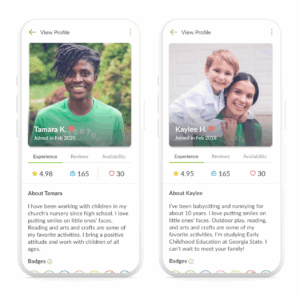
1. Don’t skip over the babysitter bio
Consider your babysitter’s bio your digital first impression. Babysitter bios are typically short and sweet-and that’s OK! You can glean a lot of valuable information about a babysitter’s experience from just a few sentences. When reviewing a babysitter bio, ask yourself a few questions:
-
- Does the babysitter bio have enough detail…and is it relevant information? What does the bio say about their child care experience? A babysitter bio should outline the ages and stages of children they specialize in caring for. Compare this to the ‘Experience’ section on their profile to ensure it matches. Even if it’s a beautifully written bio, if it bio doesn’t contain valuable ‘meat’ of experience, this might not be the babysitter or nanny for you.
- Does the bio show some personality? This is a chance for you to learn more about the babysitter. Does their bio reference what they love about babysitting? Does it tell you about their interests or background? You should get the sense that your babysitter is both fun and responsible after reading this. Remember: you’re hiring the whole person, not their resume!
- What does the babysitter’s photo say about them? Their photo should be “sitter professional”, not made for social media likes. Their profile is their resume and th photo they choose should show they understand they are applying for a job with you. Of course, avoid making judgements about superficial features.
- What is your gut saying? Does your babysitter’s introduction come off as friendly and approachable? Does this sound like a person you’d like to have over for dinner? If not, it’s OK to move on right away. This is an important decision, and you’ll have other babysitter options to choose from if anything feels off.
The bio is a great place to start filtering out babysitters. If you’re not excited about the babysitter, feel free to swipe left. And don’t feel bad! There are plenty of families with different needs who may be a fit for that babysitter. If you’ve read through the bio and are feeling confident about the babysitter-yay!-it’s time to move on to badges.
2. Using sitter badges to make your selection
Sitter badges are icons on your sitter’s profile that represent specific experience or certifications. Many badges are earned through certifications from organizations you know and trust, like American Red Cross. We recommend identifying the most important sitter badges for your family, and finding a sitter with badges that match.
For example, if CPR certification is important to your family, look out for the CPR badge. If you’d prefer a sitter with special needs experience, check for the Special Needs badge. There are over 10 badges to choose from, and many sitters have a range of badges.
Note: All badges are self-reported. You should verify your babysitter’s experience.
3. Check out the ‘Experience’ section of the babysitter profile
The Experience section is like a resume for your babysitter. It should reflect more detailed information about their experience and child care roles they have held. Here you’ll find the age ranges that your sitter has cared for in the past, any relevant positions they’ve previously held (like nanny, tutor, or coach), and the maximum number of children they’ve cared for at once. You’ll also learn a little more about their babysitter style through what activities they like to do with children. Plus, you’ll be able to view what type of transportation they use when babysitting.
Before you review the Experience section, get clear about what you need. If you need a babysitter with toddler experience, don’t opt for someone who only has experience with ages 4+. If you’re looking for an experienced tutor, check to see if they have prior experience. This process is straightforward, and can save you and potential babysitters a ton of time before moving on to next steps.
4. Read reviews from other parents
OK, you’ve found a babysitter with an engaging bio, badges that fit your needs, and the necessary child care experience. And it probably only took a few minutes! Congrats! Now, it’s time to gut-check your profile review with reviews from other parents.
When you toggle to the ‘Review’ tab of your babysitter’s profile, you’ll see reviews from other parents who have previously hired your sitter. Star ratings are important, but be sure to read the reviews, too! When reading reviews, pay attention to what parents are calling out. Do parents like the way the babyssitter engaged with their children? Were the kids begging the babysitter to stay longer at the end of the job? Was the babysitter on time and energetic?
Reading reviews is another easy way to validate experience that the babysitter has already mentioned. Are parents of toddlers booking a sitter who also referenced having toddler experience? Great! No one knows babysitters like parents, so reading reviews will give you a boost of confidence before you hit ‘book’.
Next steps after your babysitter profile review
Sitter profiles on SitterTree were designed to give you the information you need upfront to make an informed decision about your child care. When reviewing a profile, you can quickly look over a babysitter’s bio, experience, badges, and reviews to feel confident about booking your new babysitter.
If at any point during your screening process you feel uncomfortable or uncertain, don’t hesitate to move on to another applicant. There are plenty of sitters on the app, and it’s important that you feel excited and empowered about your new babyitter. Not to mention, babysitters on the app have received nearly 75,000 5-star reviews, so the right babysitter for you is likely just one more click away.
Browse sitters near youNow that you’re feeling confident about selecting a quality sitter, it’s time to book! SitterTree is here for all your child care needs, from last-minute date nights to recurring jobs, nannies, group jobs, and more. If you’re a new user, you can get $20 off your first job today using the link below.
Get $20 off your first sitter -
-

To create an unforgettable summer experience at your church, picking the right vacation bible school theme is where the magic (and fun!) begins. Think of vacation bible school themes like treasure chests, each filled with unique stories, crafts, and lessons to help grow faith in young hearts.
Vacation bible school themes set the stage for spiritual growth that kids will carry long after summer ends. With options ranging from exploring ancient biblical times to embarking on modern-day missions of kindness, every theme carries its own unique flavor and distinct theological value.
5 Vacation Bible School themes that nurture faith in young hearts
1. Treasure Island: Seeking God’s Word
Set sail for Treasure Island, where children embark on a quest for the greatest treasure of all: God’s Word. This pirate adventure vacation bible school theme teaches kids the value of biblical truths and the joy of God’s promises. Activities and lessons can be designed around treasuring the teachings of the Bible. Treasure Island makes for an engaging VBS experience that will instill a lifelong love of Scripture.
2. Jungle Safari: Exploring God’s Creation
Invite young adventurers on a journey through the landscape of God’s creation with the Jungle Safari theme. This vacation bible school theme encourages children to explore the beauty and diversity of the natural world. Plus, it teaches the importance of environmental stewardship. Activities and Bible stories highlight the connection between all living things…and the responsibility we have to care for them. This theme is perfect for lessons on creation, gratitude, and conservation.
3. Superheroes of Faith
Unleash the power of faith with a Superheroes VBS theme! Children will discover biblical heroes who faced adversity with strength. This theme highlights the faith and perseverance-showing kids they can be heroes in their own lives. With capes and courage, lessons focus on the strength we receive from God and how we can face our own challenges with confidence.
4. Time Travelers: Journey Through the Bible
Take your VBS kids on a time-traveling adventure through the Bible’s most pivotal moments. This journey brings Bible stories to life, as children discover the power of God’s Word across time and space. By witnessing God’s hand at work throughout history, children will learn about the reality of God’s eternal presence, His unchanging love, and His plan for humanity-all while enjoying the sci-fi thrill of time travel.
5. Kingdom Builders: Constructing Lives of Faith
Inspire young architects of faith with the Kingdom Builders theme. This construction theme teaches about wisdom, service, and commitment, showing children how they can contribute to God’s kingdom through their actions and choices. Activities focus on teamwork, creativity, and the joy of building something lasting with God as the ultimate architect. This Vacation Bible School theme helps children to see themselves as active participants in their faith journey.

Choosing the right Vacation Bible School theme for your church
So you have the inspiration for your vacation bible school theme for 2025. Great start! Now, how do you select the perfect theme for your church? Step one: don’t stress. Step two: Follow these tips:
- Consider your church’s unique needs. What has worked well in the past? Has God put any particular themes on your heart? Remember: you’re the one making this decision for a reason, so trust your instincts!
- Practically speaking, you’ll need to consider the age groups your Vacation Bible School will serve. The Time Traveler’s theme may be a great fit for middle or older elementary school students, but could be confusing for younger children.
- Consider what resources are available to you. Do you already have supplies, equipment, or decor on-hand that lend themselves to a particular theme? If so, get creative and repurpose away! Reusing materials and keeping your budget in check is a win-win.
- How many volunteers will you need to make the theme of your dreams a reality? It’s important not to go overboard, but you can still create a meaningful experience for your students without spreading your team too thin. Think about your volunteer to student ratio by age group, and how many volunteers each unique activity will require. Of course, if you need extra hands, consider a church child care platform like SitterTree. On the app, you’ll find background-checked child care providers to assist with your VBS activities and more.
Now that you have a Vacation Bible School theme selected…
It’s time to gather a team that can help bring these plans to life for the kids in your ministry. If you’re in search of dependable support for your children’s church activities, try SitterTree – the only app made just for church child care.
At SitterTree, we know that children’s ministry is far more than babysitting, and you need the right team in place to grow your church’s mission.
Get VBS supportOr get started with an introductory phone call.
-

Are you looking for new ways to engage the kids in your ministry? This list moves beyond the tried-and-true Children’s Ministry ideas to bring you fresh and exciting material. From crafts to hand-on activities, prepare to energize your ministry kids and volunteers…and make every service even more fun.
10 Children’s Ministry ideas to nurture the faith of your littlest disciples
1. Community Service Projects
Age Range: 7-14
Make a difference in your community! Engage your ministry’s children in acts of service and kindness. Start by brainstorming community needs or organizations that could benefit from assistance. Plan a service project such as cleaning up a local park, visiting a nursing home, or collecting donations for a food pantry. Involve your children in every step, from planning and organizing to executing the project. Encourage reflection afterward to discuss the impact of their actions and how they can continue serving others in the future.
2. Prayer Journaling
Age Range: 4+
Your ministry kids need activities they can practice in their everyday life. The goal of a prayer journal is to encourage children to deepen their prayer life and cultivate a personal connection with God. Provide each child with a journal or notebook and guide them in setting aside time for prayer and reflection regularly. Encourage them to write down their thoughts, prayers, and praises, and to share them with others if they feel comfortable. Provide prompts or verses to inspire their journal entries and foster meaningful conversations about prayer.
3. Explore Foreign Language
Age Range: 5-12
Explore ancient languages, such as Hebrew or Greek. This will foster a deeper connection to spiritual texts. Begin by introducing basic vocabulary and phrases, such as greetings or names of biblical figures. Encourage children to explore the meaning and significance of biblical names and words. Emphasize the importance of understanding biblical languages in interpreting scripture and understanding biblical history.
4. Paint a Mural
Age Range: 5+
Bring holy stories to life through art! Choose a meaningful assignment, such as a creation mural. Encourage your children to work together to sketch and paint the scene, focusing on key details highlighted in the story. Offer guidance on how to portray characters and settings while allowing room for creative interpretation. As the mural takes shape, reflect on the significance of the story and how it inspires faith.
5. Creation Garden
Age Range 8+
Connect your children with God’s creation and guide them into appreciation for the natural world. Set aside a designated area for a creation garden, whether indoors or outdoors, and fill it with plants, flowers, and other elements of nature. Encourage children to explore the garden, observe the beauty of God’s creation, and engage in sensory activities like planting seeds, watering plants, or arranging flowers. Use the garden as a peaceful space for prayer, reflection, or outdoor lessons, allowing children to connect with God through nature.
6. Prayer Stations
Age Range: 6+
The goal of this activity is to shine light on meaningful ways to engage in prayer and reflection. Set up prayer stations around your space, each focusing on a different aspect of prayer or spiritual practice. Include stations for praise and thanksgiving, confession and forgiveness, and listening for God’s voice. Provide prompts, scriptures, or visual aids to guide your children in their prayers at each station. Encourage them to move freely between stations, spending time in quiet reflection or prayerful expression as they feel led.
7. Bible Character Dress Up
Age Range: 4+
Step into the shoes of your favorite biblical characters and bring their stories to life! Invite each child to choose a character from the Bible and come dressed in costume to portray them. Encourage them to embody the character’s personality and traits. Host a “character parade” or storytelling session where they can share their chosen character’s story and interact with each other in character. Use this opportunity to reinforce key lessons or values from the represented characters.
8. Stuffed Animal Picnic
Age Range: 3-7
Reimagine the wonder of God’s creation with a picnic inspired by the story of Noah’s Ark! The goal of this activity is to recreate the scene where God instructed Noah to bring two of every animal onto the ark. Encourage your ministry children to bring pairs of stuffed animals representing different species. As children enjoy their picnic, discuss lessons around this inspiring story.
9. Dance Party
Age Range: 4-9
Inspire worship through a lively dance party featuring worship music in various genres! Create a vibrant atmosphere with worship songs spanning different genres, such as contemporary, gospel, or even Christian hip-hop. Encourage children to let go and dance freely, expressing their love and devotion to God through energetic movement. Use this experience to encourage a sense of joyous worship in your children’s lives.
10. Host a Play
Age Range: 6+
Show your ministry kids’ talents and creativity on stage. Choose a script or story of God that aligns with your lesson or curriculum focus. Assign roles to children based on their interests and talents, and encourage them to rehearse and prepare for the performance. Provide props and costumes to create an immersive experience for the group. Use this opportunity to celebrate children’s creativity, teamwork, and dedication as they share their God-given talents with one another.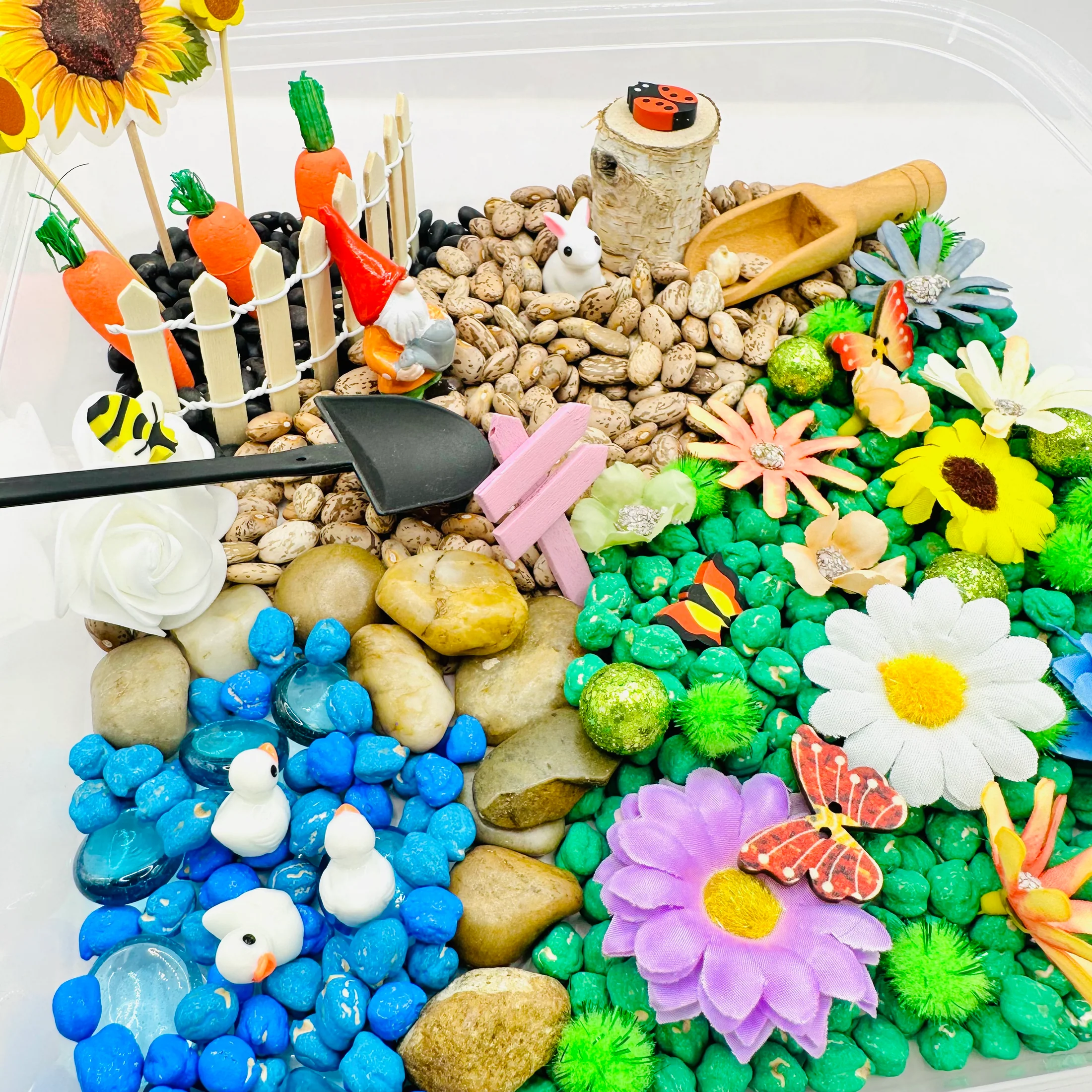
Now that you have fun and engaging activities for your children’s ministry…
It’s time to gather a team that can help bring these plans to life for the kids in your ministry. If you’re in search of dependable team members to support your children’s church activities, try SitterTree to connect with child care providers who meet your unique needs.
Get Children’s Ministry supportOr get started with an introductory phone call.
-
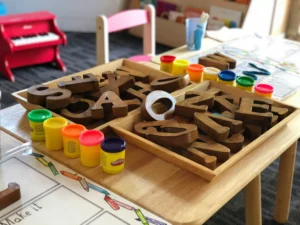
Inspire a love of learning with new, hands-on preschool classroom ideas
As a preschool teacher, you likely have no shortage of creativity. Crafts, nature, STEM-let’s be real: hands-on learning is your middle name. But if you’re approaching a new school year-or find yourself in a mid-year slump-it can be helpful to drum up some new preschool classroom ideas to re-engage your students….and yourself!
To help you develop even more dynamic and engaging preschool classroom ideas, we’ve rounded up 12 unique activities tailored just for littles.
12 Engaging Preschool Classroom Ideas
1. Sensory Exploration Stations
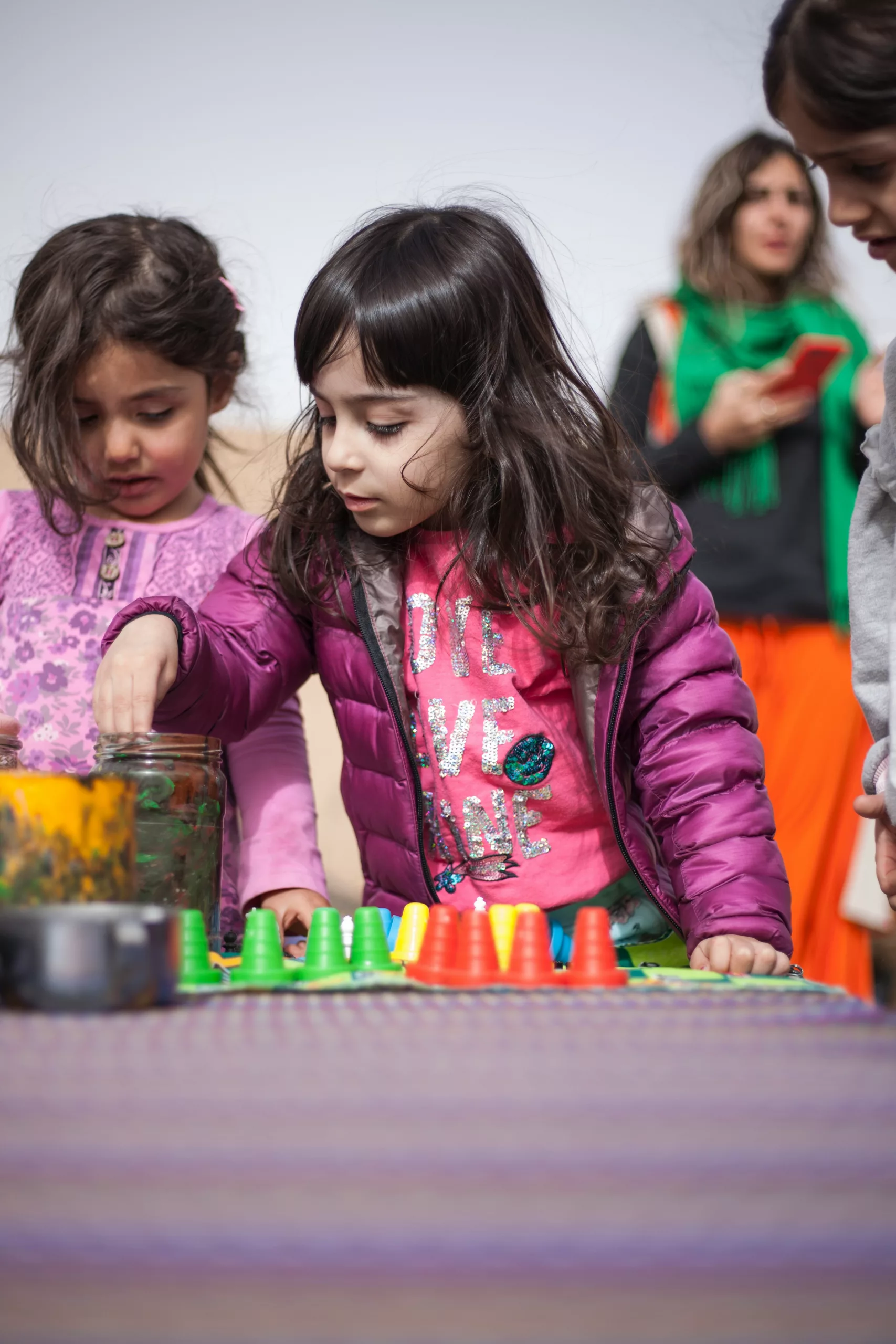
Set up sensory exploration stations in your classroom where children can engage in hands-on activities that stimulate their senses. Offer bins filled with materials like rice, sand, or shaving cream for tactile exploration. Incorporate scented playdough for olfactory stimulation and encourage children to explore different textures and smells. As always, make sure to always use age-appropriate materials and stay away from potential choking hazards. Water beads are big no-no!
2. Nature Walk and Outdoor Scavenger Hunt
Take your preschoolers on a nature walk around the school grounds or local park. Provide each child with a checklist of items to find, such as leaves, rocks, flowers, and insects. Encourage them to use their senses to observe and interact with the natural environment while fostering a sense of wonder and appreciation for the world around them.
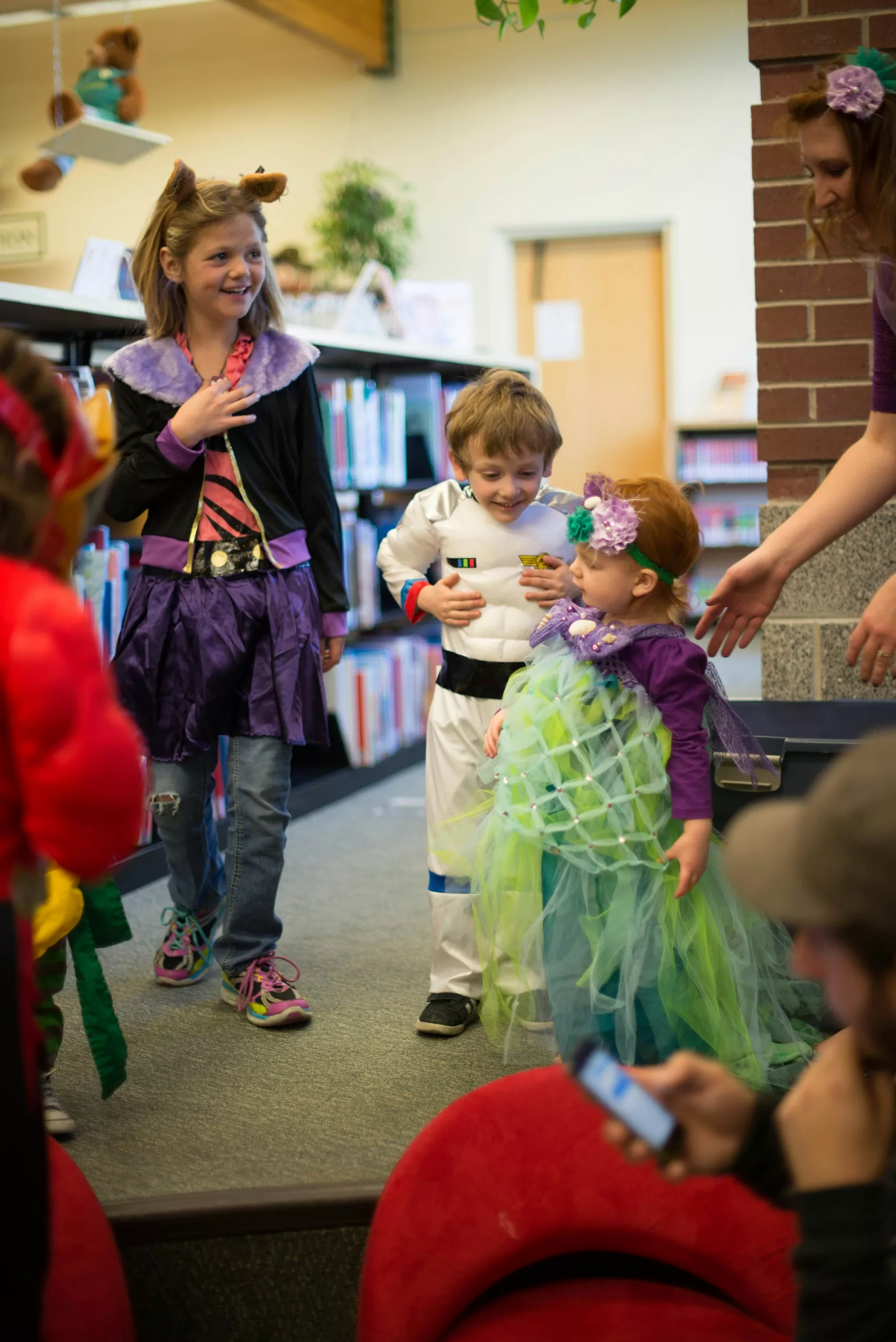
3. Storybook Character Dress-Up Day
Host a storybook character dress-up day where children come to school dressed as their favorite characters. Throughout the day, read aloud stories featuring the characters represented in the classroom. Encourage imaginative play and storytelling as children embody their chosen characters and bring their favorite stories to life.
4. DIY Musical Instruments
Engage preschoolers in a creative arts and music lesson by making DIY musical instruments together. Use household items like empty containers, rubber bands, rice-filled bottles, and cardboard tubes to craft shakers, drums, guitars, and more. You can even host a drive and request parents to bring in materials for the activitites. Allow children to experiment with their homemade instruments and create their own unique sounds.
5. Alphabet Treasure Hunt
Hide letter cards or alphabet magnets around the classroom or outdoor play area for an exciting alphabet treasure hunt. As children find each letter, encourage them to identify the letter, its sound, and a word that starts with that letter. This activity reinforces letter recognition, phonemic awareness, and vocabulary development in a playful context.
6. Science Experiments
Introduce preschoolers to the wonders of science through simple, age-appropriate experiments. Conduct experiments like mixing colors with water and food color (or check out these natural, homemade dyes for a clean version!), making volcanoes with baking soda and vinegar, or exploring buoyancy with sink-or-float challenges. Encourage observation, prediction, and critical thinking skills as children explore scientific concepts firsthand. Even the littlest learners can participate!
7. Community Helpers Role-Play
Create a dramatic play area in your classroom themed around community helpers, such as firefighters, doctors, police officers, and teachers. Provide costumes, props, and accessories that allow children to role-play different professions and scenarios. This activity not only fosters imaginative play but also helps children develop empathy and an understanding of the roles people play in their community.
8. Shape and Pattern Art
Incorporate math concepts into art activities by focusing on shapes and patterns. Provide various art materials like colored paper, glue, scissors, and stickers, and encourage children to create artwork using geometric shapes and repeating patterns. This hands-on approach helps reinforce shape recognition, spatial awareness, and patterning skills in a creative context.
9. Multicultural Food Tasting
Celebrate diversity and cultural appreciation by organizing a multicultural food tasting event in your classroom. Invite families to contribute traditional foods from different cultures, and create a tasting buffet for children to sample a variety of dishes. Encourage discussion about different cuisines, customs, and traditions, fostering an inclusive and culturally responsive learning environment.
10. Gardening and Planting
Engage preschoolers in hands-on gardening activities to teach them about plant life cycles, growth, and sustainability. Set up a small garden plot or planters in your outdoor area where children can plant seeds, water plants, and observe their growth over time. Incorporate lessons on caring for the environment and the importance of plants in our ecosystem.
11. Yoga and Mindfulness
It’s never too early to start a mindfulness practice! Introduce preschoolers to yoga and mindfulness to promote physical activity, relaxation, and emotional regulation. Lead simple yoga poses and breathing exercises tailored to young children’s abilities, such as downward dog and butterfly breath. Not to mention, there are few things cuter than a room full of kiddos in tree pose.
12. STEM Building Challenges
Inspire creativity and problem-solving skills with STEM building challenges. Provide wooden blocks, LEGO bricks, recycled materials, and/or building toys, and present open-ended challenges for children to construct structures, vehicles, or inventions. Encourage collaboration, experimentation, and iterative problem-solving as children design and build their creations.This is great for early-stage team-building, too!
As a preschool teacher, you do a lot.
And chances are: you’re still always looking to improve the classroom experience for your students. We hope you’ll find these preschool classroom ideas useful and inspiring.
Looking for more classroom teaching opportunities? Child care apps like SitterTree can connect you with flexible jobs at top child care centers – like over holiday breaks and more. You can also explore alternative child care jobs on evenings and weekends, like babysitting and church nursery jobs, to earn a little extra cash.
Is your child care center is in need of experienced, professional teachers? You can find them on the app.
Browse jobsOr get started with an introductory phone call.
-

You’re interested in early childhood education, but…how much do preschool teachers make?
If you love working with children, have a penchant for education, and always find a way to make the seemingly mundane fun, you may have considered becoming a preschool teacher at some point. It’s certainly a fulfilling and rewarding career path-you’ll be laying the foundation for future generations and impacting children’s lives in a positive way!
Not to mention, preschool teachers and early childhood educators are needed now more than ever nationwide. If you’re considering getting your certification or completing the training your state requires, you may still be wondering: ‘how much do preschool teachers make?’
We’re excited to delve in and provide some helpful information so you understand (roughly) how much you can expect to make as a preschool teacher, depending on where you live.

Ways to earn more as a preschool teacher
Below you’ll find the average preschool salaries by state for 2024, as reported by ZipRecruiter.
Of course, it’s important to consider that these are just averages. In fact, some states (like Georgia receive funding to increase teacher salaries. There are several additional factors that can influence a preschool teacher’s hourly rate and/or salary. Some of those include:
- Education Level: It’s possible for teachers who have completed a bachelor’s degree in early childhood education or a related field to earn more.
- Experience: As with most careers, experience plays a significant role in determining how much you can make as a preschool teacher. Teachers with several years of experience and/or specialized training may earn higher wages.
- Location: The cost of living and demand for early childhood education services vary greatly depending on the geographical location-even beyond the state averages. Consider seeking more data about your county or city for the most accurate range. Urban areas or regions with a higher cost of living often offer higher salaries.
- Type of Institution: Preschool teachers may work in a variety of settings, including public schools, private schools, childcare centers, Head Start programs, and nonprofit organizations. Compensation may differ based on the type of institution and its funding sources.
- Certifications: Obtaining additional certifications or endorsements, such as Montessori certification or special education credentials, can enhance a preschool teacher’s earning potential.
2024 Preschool Teacher Hourly Rates and Salaries by State
State Annual Salary Monthly Pay Weekly Pay Hourly Wage New Jersey $38,250 $3,187 $735 $18.39 Wyoming $37,972 $3,164 $730 $18.26 Wisconsin $37,472 $3,122 $720 $18.02 Washington $37,378 $3,114 $718 $17.97 Massachusetts $37,211 $3,100 $715 $17.89 Indiana $37,153 $3,096 $714 $17.86 Alaska $37,152 $3,096 $714 $17.86 Oregon $36,885 $3,073 $709 $17.73 North Dakota $36,809 $3,067 $707 $17.70 Arizona $36,385 $3,032 $699 $17.49 Hawaii $36,090 $3,007 $694 $17.35 New Mexico $36,024 $3,002 $692 $17.32 Montana $35,837 $2,986 $689 $17.23 Minnesota $35,723 $2,976 $686 $17.17 Colorado $35,507 $2,958 $682 $17.07 New York $35,453 $2,954 $681 $17.05 Alabama $35,389 $2,949 $680 $17.01 Nevada $35,128 $2,927 $675 $16.89 Ohio $34,861 $2,905 $670 $16.76 South Dakota $34,788 $2,899 $669 $16.73 Vermont $34,529 $2,877 $664 $16.60 Rhode Island $34,165 $2,847 $657 $16.43 Iowa $33,844 $2,820 $650 $16.27 Connecticut $33,688 $2,807 $647 $16.20 Delaware $33,601 $2,800 $646 $16.15 Tennessee $33,284 $2,773 $640 $16.00 Virginia $33,206 $2,767 $638 $15.96 Mississippi $33,196 $2,766 $638 $15.96 Utah $33,090 $2,757 $636 $15.91 Georgia $32,967 $2,747 $633 $15.85 Illinois $32,798 $2,733 $630 $15.77 Maryland $32,563 $2,713 $626 $15.66 Pennsylvania $32,481 $2,706 $624 $15.62 California $32,405 $2,700 $623 $15.58 Nebraska $31,934 $2,661 $614 $15.35 Maine $31,726 $2,643 $610 $15.25 Missouri $31,564 $2,630 $607 $15.18 New Hampshire $31,545 $2,628 $606 $15.17 South Carolina $31,257 $2,604 $601 $15.03 Kansas $31,246 $2,603 $600 $15.02 Louisiana $31,189 $2,599 $599 $14.99 Idaho $30,942 $2,578 $595 $14.88 Oklahoma $30,926 $2,577 $594 $14.87 Texas $30,680 $2,556 $590 $14.75 North Carolina $30,612 $2,551 $588 $14.72 Kentucky $29,498 $2,458 $567 $14.18 Michigan $29,414 $2,451 $565 $14.14 Florida $29,175 $2,431 $561 $14.03 Arkansas $27,987 $2,332 $538 $13.46 West Virginia $25,085 $2,090 $482 $12.06 Source: ZipRecruiter
Benefits packages
As far as compensation packages, preschool teachers may receive benefits such as health insurance, retirement plans, paid time off, professional development opportunities, and tuition assistance for furthering their education. It completely depends on where you’re seeking employment-whether it’s a public or private institution, and other factors-so we recommend asking those questions up front in the interview process!
Other ways to earn as a preschool teacher
If you’re already a preschool teacher, early childhood educator, or substitute teacher and are looking to make a little extra money, try a child care app like SitterTree. SitterTree connects educators with top child care centers, so you can find flexible jobs that fit your schedule-like over school breaks, or on evenings and weekends.
Are you looking to kickstart your preschool teaching career? Apps like SitterTree can be an effective way to get your feet wet and get some valuable experience under your belt!
Browse child care jobsOr schedule a call to learn more.
If you have any questions, we’re here to help.
Not to brag, but we’re pretty good with names. As in, we’re on a first name basis with every teacher on the app. So, what’s yours?
-

Are you looking for the best Children’s Ministry curriculum for your church? With so many options, it can be a challenge to decide which is the right fit for your church. Besides-the ‘best’ Children’s Ministry curriculum for your church may not be the best for someone else’s!
To help you on your search, we’ve compiled the top recommended Children’s Ministry curriculums for 2024 all into one place. From budget-friendly options to programs made for diverse learning styles, you’ll find a Children’s Ministry curriculum that meets your unique needs.
Before getting started, we recommend identifying the age groups your curriculum will need to serve, as well as any technology requirements. The good news is: many curriculums offer both print and digital materials, as well as sample lessons or free trials! Read on to discover the best curriculums for your Children’s Ministry.
Top 10 Children’s Ministry Curriculums for 2024
1. Orange Curriculum
Age Range: Preschool, elementary, preteen, adult
Orange Curriculum offers a comprehensive approach that integrates the influences of both church and family to foster spiritual growth in children. With resources for every age group- including preschool, elementary, and preteen and beyond-Orange Curriculum emphasizes building strong relationships and partnering with parents in the spiritual development of children. You can begin a one-month free trial at their website.
2. Marty Machowski’s Gospel Story Curriculum
Age Range: Preschool, lower elementary, upper elementary
A favorite among Children’s Ministry leaders, the Gospel Story Curriculum focuses on Christ as it teaches preschool through sixth-grade children key stories from Genesis to Malachi that highlight God’s plan of redemption. This unique 3-year long curriculum grows with children by exploring the same Bible stories at three different learning levels, presenting the material in a fresh way each time to help children grow in their understanding of the Bible. Every year children learn a slightly longer version of each passage.
3. Gospel Light
Age Range: Nursery, preschool, elementary, pre-teen
Gospel Light provides dynamic and age-appropriate curriculum solutions for children’s ministry, ranging from infants to preteens. Their curriculum focuses on teaching biblical truths through creative storytelling, hands-on activities, and interactive lessons that capture children’s imagination and foster a love for God’s Word.
4. Answers in Genesis
Age Range: Pre-K to adult
Answers Bible Curriculum brings the Bible to life! Toddlers will learn five important Bible truths, preparing them for a more structured preschool classroom. Then from Pre-K on, this exciting curriculum covers the entire Bible chronologically in four years (200 lessons), providing a powerful overview of God’s Word.
5. The Gospel Project
Age Range: Preschool, kids, students, adults
The Gospel Project from LifeWay offers a curriculum for preschoolers, kids, students, and even adults. With print and digital materials, you can customize your experience for your ministry’s needs. You can try a unit of The Gospel Project for free at their website. Also, if you’re a church plant or a new church in your first two years of operation, you may be eligible for a special discount.
6. Great Commission Publications (Show Me Jesus)
Age Range: Nursery, preschool, elementary
Another favorite among Youth Pastors and Kid’s Ministry leaders, Great Commission Publications offers curriculum for little disciples as young as toddlers all the way through teenagers. From Genesis to Revelation, Great Commission Publications materials present Jesus Christ as the Revealer of the Father and the Savior of his people. Children are pointed to Jesus to know and trust him.
7. New City Catechism
Age Range: Ages 8-11
The New City Catechism Curriculum features 52 engaging lessons developed from the questions and answers of The New City Catechism, designed to help children ages 8-11 learn the core doctrines of the Christian faith in a Sunday school, classroom, or homeschool setting. With printed materials, in addition to a mobile and web app, this curriculum can adapt to your ministry’s preferences. The app also includes kid-friendly songs designed to help children memorize the entire catechism.
8. Teach Me To Worship
Age Range: Ages 4-11
Teach Me to Worship curriculum presents and explains common elements of worship that the universal church has used throughout the ages. The material is available in PDF format, allowing ministry leaders to download and print the material according to their schedule and need. A subscription includes unlimited access to the curriculum, handouts and activities for the children, letters to parents, training videos and worship music. Smaller churches say the curriculum is affordably priced, and other churches like that it’s user-friendly.
9. One Story Ministries
Age Range: Children’s, youth, adult
App:
One Story Ministries offers curriculum for all ages, but their Children’s Sunday School curriculum, Investigating God’s Word, was designed for grades K-6. The curriculum covers all of God’s Word, from Genesis to Revelation, in a systematic way. Each quarter includes 13 lessons for a total of 52 weeks each year. You can download sample lessons here.
10. Awana
Age Range: Ages 2-18
Awana is renowned for its interactive and engaging curriculum designed to guide children through scripture memorization, games, and small group activities. With a focus on building a strong foundation in God’s Word, Awana offers curriculum options for different age groups and settings, including churches, schools, and homeschools. They also offer weekend curriculum on their Brite platform. You can try a month-long series for free here.
BONUS!
11. D6 Everyday Foundations
Age Range: Nursery, preschool, elementary, teen, adult
D6 Everyday Foundations provides the small group and Sunday School Bible studies designed for all ages, with a particular emphasis on fostering family interaction and learning through shared biblical themes. They offer free samples for each age range on their website.
12. Group Publishing
Group Publishing offers a variety of curriculum options designed to meet the specific needs of children’s ministry leaders and pastors. Whether you’re looking for thematic studies, seasonal curriculum, or customizable resources, Group Publishing provides curriculum solutions that engage children, empower leaders, and transform lives through the power of God’s Word.

Remember: Equally as important as your Children’s Ministry curriculum are the ministry leaders who serve.
If you find yourself short on volunteers or staff, SitterTree offers a solution. Qualified providers are on the SitterTree app to help support your church for busy services, events, and more.
If you’re a church plant just getting started, SitterTree providers can be a lifesaver as you grow your volunteer base.
At SitterTree, we know that children’s ministry is far more than babysitting, and you need the right team in place to create little disciples to share your church’s mission.
Get Children’s Ministry supportOr get started with an introductory phone call.
-

Celebrate Easter with memorable activities for your Children’s Ministry
Easter is a special time, especially for the little ones in your church. Are you looking for Children’s Ministry Easter ideas to make this Easter a memorable one for the kids in your ministry? If so, you’re in the right place. We’ve put together 10 Children’s Ministry Easter ideas tailored for your church’s younger members. These simple, engaging activities are perfect for sparking fun and teaching kids about the true meaning of Easter.
1. Resurrection Garden Making
Age Range: 4-14
Get creative and celebrate Easter with Resurrection Gardens! Get started with pots, soil, stones, and plants to symbolize new life and rebirth. These gardens are perfect for displaying around your ministry space, teaching your little members about the beauty and renewal that comes with faith.
2. Easter Story Stones
Age Range: 1-5
Highlight the meaning of Easter with painted story stones. Children can paint symbols representing hope, love, and faith. These stones can then be used as storytelling aids or decorative pieces, offering a hands-on way to engage kids with the broader themes of Easter.
3. Palm Sunday Parade
Age Range: 4-14
Mark the start of Holy Week with a joyful parade. Create palm branches from paper and lead a procession, celebrating the spirit of peace and triumph. It’s a festive way to bring the kids in your congregation together, reflecting on faith.
4. Easter Scripture Scavenger Hunt
Age Range: 7+
Explore the concept of faith with an Easter Scripture Scavenger Hunt. Hide verses around your ministry space or playground that focus on messages of hope, forgiveness, and renewal. It’s an engaging way for kids to learn and share the values of Easter.
5. “Walk with Faith” Footprint Path
Age Range: 7+
Create a path through your church or outdoor space with footprints that guide children on a journey through different virtues of faith. This reflective walk encourages conversation about living a life filled with goodness.
6. Easter Choir Performance
Age Range: 4+
Celebrate with joyous songs by organizing an Easter performance. Choose Easter songs that speak to the themes of hope, joy, and renewal. It’s a beautiful way for children to express their faith and share the uplifting message of Easter with your church’s congregation.
7. Ascension Day Kites
Age Range: 3-5
Celebrate ascension in a fresh and creative way by flying kites. This activity symbolizes rising above, offering kids a hands-on way to think about elevation in spirit and faith. Gather to fly the kites together -a beautiful experience full of lasting inspiration.
8. DIY Easter Wreath
Age Range: 2-8
Try collaborative art with an Easter Wreath activity. Provide a large circular base and an assortment of materials such as colorful paper, ribbons, and Easter-themed embellishments. Guide the children in creating a communal Easter wreath, symbolizing unity and celebration. Hang the finished wreath in the nursery as a festive decoration.
9. Crown of Life Weaving
Age Range: 3-8
Try out crafting Crowns of Life, using flowers and natural materials. This craft encourages reflection on overcoming challenges. Once complete, the crowns can be worn all holiday by your kids or set on display as a reminder of the gospel.
10. “Fruits of the Spirit” Fruit Salad Making
Age Range: 4+
Link the teachings about the fruits of the spirit with a fun, group activity by making fruit salad. Go one step further by designating each fruit to represent a different spiritual virtue (like love, joy, or peace). Talk to the children about these virtues while preparing the fruit salad, then enjoy the delicious snack together.

So, you have your Easter activities all planned out for your Children’s Ministry…
It’s time to gather a team that can help bring these plans to life for the kids in your ministry. If you’re in search of dependable team members to support your children’s church activities, try SitterTree to connect with child care providers who meet your unique needs.
Get Children’s Ministry supportOr get started with an introductory phone call.
-

Unique Easter ideas to delight your congregation’s kiddos
As Easter approaches, it’s time to infuse the church nursery with a burst of creativity and excitement. Engaging young hearts and minds in meaningful Easter activities is not only fun but also an excellent way to teach them about the significance of this special season. Here are some unique Easter ideas tailored for your church nursery that go beyond the conventional egg hunts and bunny crafts.
1. Easter Story Stones
Age Range: 4-14
Foster creativity and storytelling by introducing Easter Story Stones. Collect smooth stones and paint or draw symbols related to the Easter story on each one. Include elements like crosses, an empty tomb, a heart, and more. Place these stones in a basket, and during nursery time, encourage children to pick a stone and share a part of the Easter story associated with the symbol. It’s a hands-on and interactive way to impart the resurrection narrative.
2. Easter Garden Sensory Bins
Age Range: 1-5
Create an Easter-themed sensory experience with Garden Sensory Bins. Fill large bins with soil, small plants, and other relevant items. Children can engage in sensory play as they touch and feel the soil, arranging the elements to recreate scenes from the Easter story. This hands-on activity allows them to explore and connect with the story in a tangible way.
3. He is Risen Banner Craft
Age Range: 4-14
Foster a sense of community by creating a collaborative “He is Risen” banner. Provide a large sheet of paper or fabric and encourage children to contribute by adding handprints, fingerprints, or painted Easter symbols. Display this banner proudly in the nursery as a reminder of the collective joy and celebration of the resurrection.
4. Easter Prayer Rocks
Age Range: 2-8
Encourage prayer in the nursery by crafting Easter Prayer Rocks. Supply smooth rocks and art materials for children to decorate them with Easter-themed images or words. During nursery activities, invite the little ones to hold the prayer rocks and say a simple Easter prayer. These personalized prayer rocks can be taken home as a tangible reminder of the Easter message.
5. Easter Story Puppet Theater
Age Range: 4-10
Bring the Easter story to life with a puppet theater. Create simple puppets representing key characters such as Jesus, Mary, and disciples. Use a small table as the stage and let the children take turns reenacting the resurrection story with the puppets. This activity not only engages their creativity but also reinforces the narrative in a memorable way.
6. Egg Roll Painting
Age Range: 1-4
Give traditional egg painting a twist with Egg Roll Painting. Instead of dipping eggs into paint, place a large sheet of paper in a shallow box and add dollops of different-colored paint. Place a plastic Easter egg in the box and let the children roll it around, creating colorful patterns on the paper. This mess-free activity allows them to explore painting in a unique way while celebrating the vibrancy of Easter.
7. Easter-themed Playdough Station
Age Range: 2-6
Enhance fine motor skills and creativity with an Easter-themed Playdough Station. Set up a table with homemade or store-bought playdough and provide Easter-themed cookie cutters, stamps, and plastic eggs. Children can mold and shape their Easter creations, from crosses to bunnies, fostering imaginative play in a festive context.
8. Easter Egg Matching Game
Age Range: 3-5
Develop cognitive skills with an Easter Egg Matching Game. Decorate plastic eggs with matching patterns or images. For instance, you can draw halves of Easter symbols like crosses, chicks, or flowers. Mix up the eggs and let the children match the corresponding halves, promoting concentration and memory skills in a joyful Easter setting.
9. DIY Easter Wreath
Age Range: 2-8
Inspire collaborative art with an Easter Wreath activity. Provide a large circular base and an assortment of materials such as colorful paper, ribbons, and Easter-themed embellishments. Guide the children in creating a communal Easter wreath, symbolizing unity and celebration. Hang the finished wreath in the nursery as a festive decoration.
10. Easter-themed Obstacle Course
Age Range: 3-8
Energize the nursery with an Easter-themed obstacle course. Set up stations with activities related to the Easter story, such as hopping like bunnies, walking between cones like disciples on a journey, or crawling through a tunnel symbolizing the tomb. This active and engaging approach adds a playful twist to learning about Easter.
So, you have a list of new Easter church nursery activities to try…
Now, you just need quality nursery workers to execute these fun activities. When your nursery volunteers are spread thin, try SitterTree to connect with child care providers who meets your unique needs.
Find nursery child careOr get started with an introductory phone call.
-

Celebrate Easter with crafts for your littlest members
Easter is a joyous time for Christians around the world. As the Easter season approaches, the air is filled with excitement and anticipation, especially in church nurseries where little ones are eager to explore and create. Whether you’re a nursery volunteer or a parent looking for ideas to share with your church community, here are 10 delightful Easter craft ideas perfect for church nurseries.

10 fun and engaging Easter church nursery crafts
1. Egg Carton Chicks
Age Range: 2-6
Transform ordinary egg cartons into adorable little chicks! Cut out sections of an egg carton to create individual compartments. Then, let the children paint the compartments yellow (or any springtime color of their choice!) and add googly eyes, beaks, and even tiny feather details. These cute chicks can be a reminder of new life, just like the resurrection story.
2. Easter Egg Sun Catchers
Age Range: 2-8
Brighten up those nursery windows with colorful Easter egg sun catchers. Cut out egg shapes from colorful tissue paper or translucent sheets. Have the children decorate their egg shapes with stickers, crayons, or other fun art supplies. Once they’re done, laminate or cover them with clear contact paper and attach string for hanging. When the sun shines through, the nursery will be filled with a vibrant display of Easter joy.
3. Creation Art Workshop
Age Range: 2-14
Explore the beauty of God’s creation through an art workshop. Provide materials for children to create their interpretations of the world, emphasizing the divine touch in every aspect of nature.
4. Easter Bunny Masks
Age Range: 2-8
Get ready for some hoppy fun with Easter bunny masks! Provide children with pre-cut mask shapes or plain paper plates. Assist them in decorating the masks with cotton balls, markers, and construction paper for ears and whiskers. Once the masks are complete, watch as the nursery fills with giggles and bunny hops.
5. Stained Glass Crosses
Age Range: 2-10
Create beautiful stained glass crosses to symbolize Jesus’ sacrifice on the cross. Cut out cross shapes from construction paper or cardstock. Then, provide children with colored tissue paper squares or torn pieces. Assist them in gluing the tissue paper onto the crosses to create a vibrant stained glass effect. Hang these crosses in the nursery windows to catch the light and illuminate the room with hope.
6. Easter Story Bracelets
Age Range: 4-10
Help children remember the Easter story with simple story bracelets. Provide colorful beads representing different elements of the story, such as purple for Jesus’ sacrifice, yellow for the resurrection, and green for new life. Guide the children in stringing the beads onto elastic cord and tying the ends to create bracelets. As they wear their bracelets, they can retell the Easter story to friends and family.
7. Empty Tomb Diorama
Age Range: 4-14
Help children visualize the empty tomb with an empty tomb diorama craft. Provide small shoebox-sized containers, modeling clay, small stones, and small action figures resembling biblical characters. Instruct the children to mold the clay to form the tomb, placing small stones at the entrance. As they create their dioramas, share the story of the empty tomb and the resurrection.
8. Lamb Finger Puppet
Age Range: 3-10
Engage nursery children in making adorable lamb finger puppets with cotton balls, googly eyes, felt, and glue. Cut out simple lamb shapes from felt and let the children attach cotton balls to create a fluffy texture. As they assemble their finger puppets, share age-appropriate stories about Jesus being the Good Shepherd and the Lamb of God.
9. Egg Shaker Maracas
Age Range: 0-4
Get ready to make some joyful noise with egg shaker maracas! Fill plastic eggs with rice, dried beans, or small bells and securely tape them shut. (If you’re doing this craft with younger children, make sure to do this step first to eliminate any choking risks.) Then, let the children decorate the eggs with stickers, markers, or paint. Once decorated, they can shake their maracas to the beat of Easter hymns or songs, celebrating the joyous occasion.
10. Handprint Easter Cards
Age Range: 0-14
Encourage children to spread Easter cheer by making handprint Easter cards. Provide cardstock or construction paper folded in half. Assist the children in dipping their hands into washable paint and making handprints on the front of the cards. Once dry, they can add details like bunny ears, chicks, or flowers using markers or stickers. These personalized cards make heartfelt gifts for family members or church friends.

So, you have your Easter church nursery crafts planned out…
Now, you just need quality nursery workers to execute these fun activities. When your nursery volunteers are spread thin, try SitterTree to connect with child care providers who meets your unique needs.
Find nursery child careOr get started with an introductory phone call.