

SitterTree Resources: Insights on Babysitting and Childcare

- View all
- Sitter Tips
- Family Tips
- Tips for Toddlers
-

Hiring a new babysitter is a big step for any family. It’s a moment filled with excitement, anticipation, and, naturally, a bit of nervousness. The first day with a new babysitter is your chance to build trust, establish routines, and help both your child and the babysitter feel at ease. By planning ahead and communicating clearly, you can set the stage for a successful partnership. Here’s a detailed guide to navigating that important first day.
Starting Off: The Initial Meet and Greet
The day begins with introductions, which lay the foundation for a positive relationship. Whether the babysitter has met your child briefly before or this is their first interaction, creating a warm and welcoming environment can make all the difference. Take a few moments to reintroduce the sitter to your child, using simple and encouraging language to make the transition easier.
As the babysitter familiarizes themselves with your home, provide a brief tour. Point out key areas like the kitchen, bathroom, and any safety essentials such as first aid kits or emergency supplies. If you’ve prepared a list of contact numbers or household rules, now is a great time to review them. For younger children who might feel nervous, offer reassurance and involve them in the tour-for example, show the babysitter your child’s favorite toys or books as a conversation starter.
Communicating Expectations Clearly
Clarity is essential to avoid confusion and ensure the babysitter feels empowered to handle their responsibilities. Before the day begins, walk them through your child’s typical routine. Share details about meals, nap schedules, and any special needs or allergies. Discuss house rules, like screen time limits or preferred activities, so the sitter knows how to maintain consistency.
Consider preparing a written guide with important details for quick reference. Include emergency contacts, medical information, and step-by-step instructions for routines like bedtime. This not only sets the babysitter up for success but also provides peace of mind for you, knowing they have everything they need.

Navigating Your Child’s Emotions
Every child reacts differently to being cared for by a new babysitter. Some may dive right into playtime, while others feel hesitant or clingy. Younger children might take longer to warm up, needing extra hugs and reassurance during transitions. Older kids, on the other hand, might test boundaries or be curious about their new caregiver.
To ease the adjustment, let your child see you interacting positively with the babysitter. A simple conversation or shared laugh can show them the sitter is trustworthy. For especially shy children, try starting an activity together, like coloring or playing with blocks, before stepping away.
The Babysitter’s Role: Building Connection and Trust
A skilled babysitter knows how to balance following instructions with making your child feel comfortable. They may initiate activities like reading a book, building a puzzle, or playing a favorite game to build rapport. Throughout the day, they’ll check in with you if needed, ensuring tasks like mealtime or bedtime align with your preferences.
To strengthen your confidence, many babysitters will send updates via text, including photos or quick notes about your child’s day. This simple act of communication not only keeps you informed but also helps ease any lingering anxieties about being apart.
Handling Hiccups with Grace
It’s normal for minor challenges to arise during the first day. Younger children might have tears during goodbyes, or there could be small misunderstandings as the babysitter learns your family’s unique dynamics. These moments are a natural part of the transition and usually resolve quickly as everyone becomes more comfortable.
Trust in the babysitter’s experience and training to handle these situations with care. If you’ve chosen someone with a strong background in childcare, they’ve likely navigated similar moments with other families.
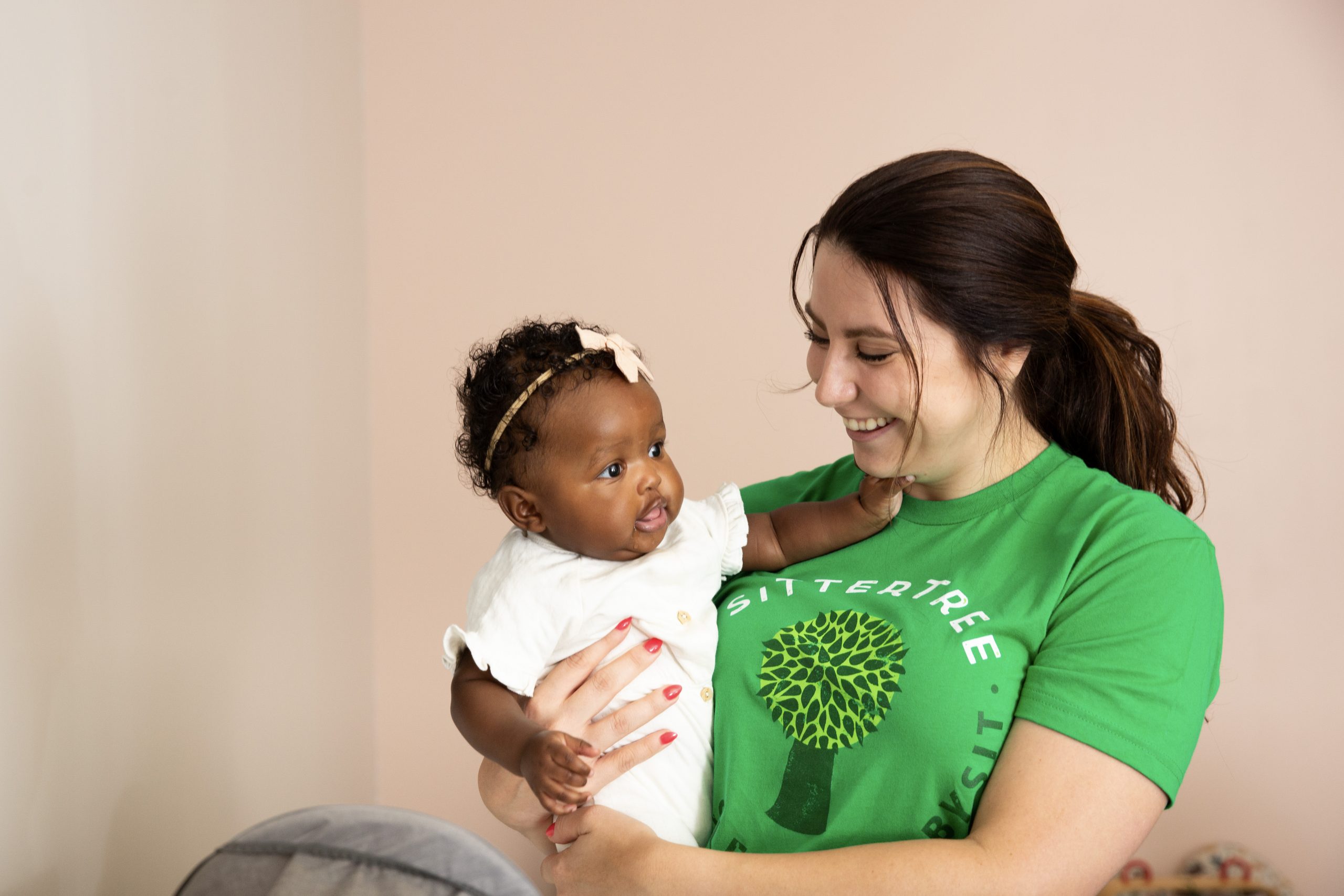
Reflecting Together at the End of the Day
When you return, carve out time for a debrief with the babysitter. Ask them about how the day went, including highlights like favorite activities or any new skills your child showed. They might also share helpful observations, such as ways to fine-tune routines or activities that particularly engaged your child.
This is also your opportunity to provide feedback. If something didn’t go as expected, approach it constructively and clarify expectations for next time. By fostering open communication, you’re building a partnership that benefits everyone involved.
The first day with a new babysitter is a learning experience for everyone. With clear communication, empathy, and a touch of patience, you can create an environment where your child feels safe and the babysitter feels confident. Over time, this initial groundwork will lead to a rewarding relationship, allowing you to step away with peace of mind knowing your child is in great hands.
In search of a new babysitter?
On SitterTree, you can easily find trusted babysitters in your community. You can get $20 off your first sitter at the link below.
Get Started Today! -

Receiving feedback from parents is a normal part of being a babysitter and an opportunity to grow in your role. Whether the feedback is positive or constructive, knowing how to handle it gracefully is essential for maintaining strong relationships with families. In this guide, we’ll share tips on how to handle feedback from parents like a pro and use it to improve your babysitting skills.
1. Stay Open and Receptive
The first step to handling feedback is keeping an open mind.
Why It Matters:
- Shows parents that you’re willing to learn and adapt.
- Helps you improve your skills and strengthen your reputation.
How to Stay Open:
- Listen without interrupting. Let parents fully explain their feedback before responding.
- Avoid becoming defensive, even if the feedback is unexpected.
- Thank them for taking the time to share their thoughts.
“Thank you for letting me know. I really appreciate your feedback and want to make sure I meet your expectations.”2. Ask Questions for Clarity
If you’re unsure about specific feedback, don’t hesitate to ask for more details.
Why It Matters:
- Clarifies the parents’ concerns or expectations.
- Helps you understand what changes they’d like to see.
What to Ask:
- “Could you explain what you mean by [specific point]?”
- “What would you like me to do differently next time?”
- “Is there anything else you think I could improve on?”

3. Reflect on the Feedback
Take time to think about the feedback and how you can apply it to future babysitting jobs.
How to Reflect:
- Consider if the feedback aligns with your experience during the job.
- Think about specific actions you can take to address the feedback.
- Use constructive criticism as motivation to grow and improve.
If a parent mentioned being more proactive about cleaning up toys, make a point to tidy up throughout the job next time.4. Implement Changes
Show parents that you value their feedback by making adjustments in your approach.
How to Implement Changes:
- Take action on the specific suggestions they provided.
- Communicate the changes you’ve made: “I made sure to follow your bedtime routine exactly as discussed today.”
- Use feedback as a guide for all future jobs with the family.
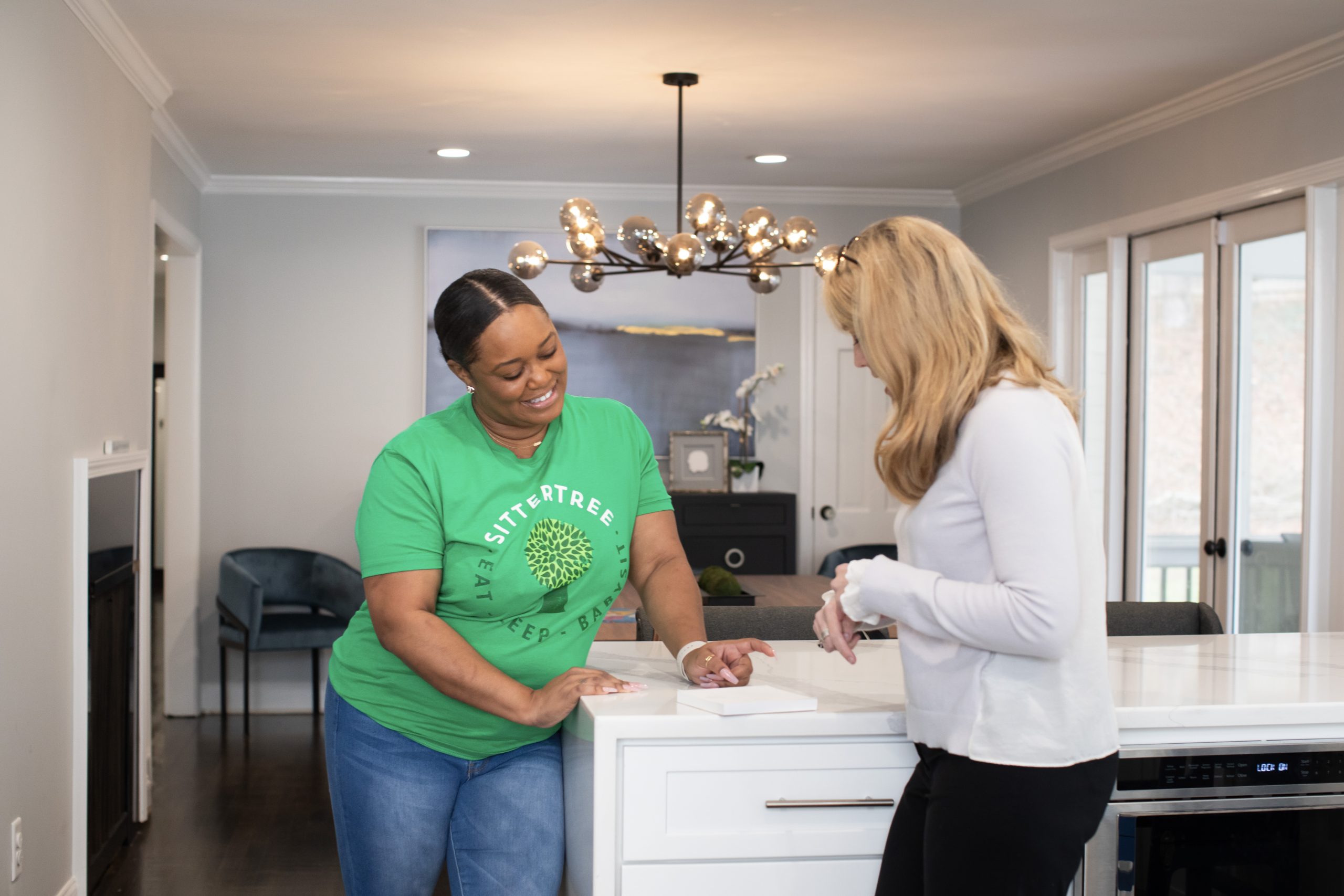
5. Stay Professional and Positive
Even if the feedback feels unfair or difficult to hear, maintaining professionalism is key.
How to Stay Professional:
- Avoid arguing or criticizing the parents’ perspective.
- Focus on what you can control and improve.
- Keep the conversation positive by emphasizing your commitment to doing your best.
“I understand your concerns, and I’ll make sure to keep that in mind moving forward. Thank you for letting me know.”Knowing how to handle feedback from parents is an important skill for any babysitter. By staying open, asking questions, and using feedback as a tool for growth, you’ll build trust with families and continue improving your child care skills. Embrace feedback as an opportunity to become the best babysitter you can be, and parents will appreciate your professionalism and dedication.
Ready to book your next sitter gig?
On SitterTree, you can easily find families in your community. You can get started today at the link below.
Sign Up Today! -

Being a great babysitter requires more than just a love for kids-it’s about developing the skills that make families trust you and kids adore you. Whether you’re new to babysitting or looking to take your skills to the next level, this guide will help you focus on the top 5 skills every babysitter should develop to excel in your role.
1. Communication Skills
Good communication is essential for working with both kids and their parents.
Why It Matters:
- Helps you build trust with families.
- Ensures parents feel confident leaving their children in your care.
- Encourages kids to share their thoughts and feelings with you.
How to Develop It:
- Practice active listening when speaking with parents and children.
- Provide regular updates to parents during and after babysitting.
- Use clear and positive language when giving instructions to kids.
2. Safety Awareness
Families prioritize safety above all else, making this a critical skill for babysitters.
Why It Matters:
- Helps you respond confidently in emergencies.
- Builds trust with parents who want a reliable caregiver.
How to Develop It:
- Get certified in CPR and first aid.
- Familiarize yourself with the childproofing measures in the family’s home.
- Learn about common safety hazards, like choking risks or allergens, and how to prevent them.
3. Creativity and Engagement
Babysitters who can keep kids entertained and engaged are always in demand.
Why It Matters:
- Prevents boredom and tantrums.
- Creates a fun and memorable experience for kids.
How to Develop It:
- Prepare a list of creative activities tailored to the kids’ ages and interests.
- Be flexible and adapt to the child’s energy level or mood.
- Incorporate educational elements into playtime, like games that encourage problem-solving or teamwork.
4. Problem-Solving Skills
Every babysitting job comes with unexpected challenges, from sibling arguments to tantrums.
Why It Matters:
- Shows parents you can handle difficult situations calmly and effectively.
- Ensures a smooth experience for both kids and parents.
How to Develop It:
- Stay calm under pressure and assess situations logically.
- Think of creative solutions to everyday issues, like redirecting attention during a tantrum.
- Practice de-escalation techniques for conflicts between kids.
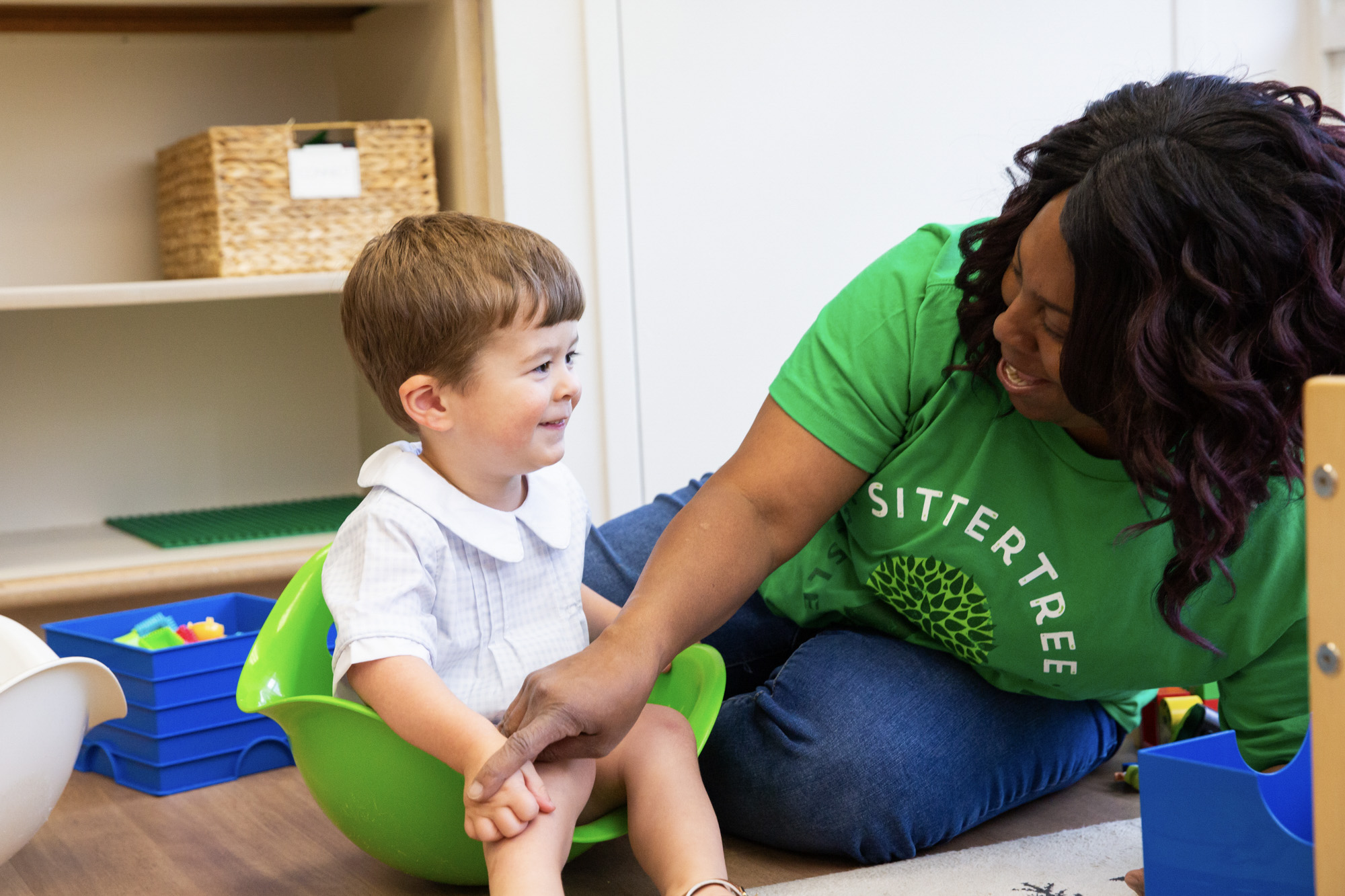
5. Reliability and Professionalism
Parents need babysitters they can count on to show up on time and follow through with commitments.
Why It Matters:
- Builds a strong reputation and encourages repeat bookings.
- Demonstrates respect for the family’s time and trust.
How to Develop It:
- Arrive early for jobs to show you’re dependable.
- Communicate any schedule changes as far in advance as possible.
- Treat babysitting like a professional role by dressing appropriately and respecting house rules.
By focusing on these top 5 skills every babysitter should develop, you’ll not only impress families but also build your confidence as a caregiver. Communication, safety awareness, creativity, problem-solving, and professionalism are the foundation of excellent babysitting-and with practice, you’ll become the sitter every family wants to hire.
Looking for your next sitter gig?
On SitterTree, you can easily find families in your community. You can get started today at the link below.
Sign Up Today! -

Babysitting isn’t just about keeping kids safe-it’s also about making sure they have a great time while their parents are away. The right games can help you bond with the kids, keep them engaged, and make your job more enjoyable. Whether you’re caring for toddlers or tweens, this list of 25 fun babysitting games will ensure everyone has a blast.
1. Classic Hide-and-Seek
This timeless game never gets old and works for kids of all ages.
How to Play:
One person hides while the others count and then search for them. Add a twist by playing in the dark with flashlights!2. Simon Says
A simple game that encourages listening and quick thinking.
How to Play:
Give commands starting with “Simon says,” and the kids must only follow the instructions if you include those magic words.3. DIY Scavenger Hunt
Turn the house or yard into a treasure trove of fun.
How to Play:
Create a list of items for the kids to find, like a red sock or a toy car, and let them race to complete the list.4. Freeze Dance
Burn off energy with this lively music game.
How to Play:
Play music while the kids dance and pause it randomly. They must freeze in place when the music stops.5. Indoor Camping Adventure
Spark kids’ imaginations with a pretend camping trip.
How to Play:
Set up a tent or blanket fort, tell campfire stories, and have a pretend picnic indoors.
6. Charades
A perfect game for older kids who love to act things out.
How to Play:
Write down simple phrases or actions, and have the kids act them out while others guess.7. Balloon Volleyball
A fun and safe game for indoor play.
How to Play:
Use a balloon as the ball and create a “net” with chairs or a piece of string.8. Animal Charades for Little Ones
A simplified version of charades for younger kids.
How to Play:
Act out animals while the kids guess what you are.9. Paper Plate Frisbee
A creative twist on a classic outdoor game.
How to Play:
Decorate paper plates and toss them around like frisbees.10. Tic-Tac-Toe with a Twist
Turn the classic game into a physical activity.
How to Play:
Draw a giant tic-tac-toe board on the ground with chalk or tape, and use toys or objects as markers.11. Pretend Grocery Store
Encourage imaginative play with this fun role-playing game.
How to Play:
Set up a “store” with toys or pantry items and let the kids take turns being the cashier and the shopper.12. Red Light, Green Light
A game that combines fun with following instructions.
How to Play:
One person says “red light” (everyone freezes) and “green light” (everyone moves forward), trying to catch players moving at a red light.13. Obstacle Course
Challenge kids to navigate through a creative course.
How to Play:
Set up a path with pillows, chairs, and blankets for kids to crawl under, jump over, and navigate through.14. Baking Together
Turn cooking into a fun, interactive activity.
How to Play:
Bake cookies, cupcakes, or simple no-bake treats together. Let kids help with mixing, decorating, and tasting!15. Puppet Show
Unleash creativity with a storytelling performance.
How to Play:
Make simple puppets out of socks or paper bags, and act out a story together.
16. DIY Bowling
Create your own bowling alley using household items.
How to Play:
Set up empty water bottles as pins and use a ball to knock them down.17. Bubble Blowing Contest
A great outdoor activity for a sunny day.
How to Play:
See who can blow the biggest bubble or create the most bubbles in a set time.18. Art Corner
Let kids express themselves through art.
How to Play:
Set up crayons, markers, and paper for drawing, or create a simple craft project together.19. Memory Game
Boost cognitive skills with this simple card game.
How to Play:
Lay cards face down and take turns flipping two at a time to find matching pairs.20. I Spy
Perfect for quiet moments or winding down.
How to Play:
One person describes something they see, and the others guess what it is.21. Water Balloon Toss
A refreshing game for warm days.
How to Play:
Fill balloons with water and toss them back and forth, seeing who can catch them without breaking them.22. Dance Party
Let loose with music and moves.
How to Play:
Play a favorite playlist and have a mini dance-off or just enjoy the music together.23. Mini Science Experiments
Engage older kids with hands-on learning.
How to Play:
Try simple experiments like making baking soda volcanoes or mixing colors with water and food dye.24. Card Games
Classic card games like Go Fish or Crazy Eights are always a hit.
How to Play:
Teach kids how to play and let them try their hand at winning!25. Dress-Up Adventure
Encourage creativity with costumes and role-playing.
How to Play:
Provide dress-up clothes or props and let the kids become their favorite characters.Fun babysitting games are the perfect way to keep kids engaged, entertained, and happy. With these 25 ideas, you’ll have a variety of age-appropriate activities ready for any babysitting job. Try them out and watch the kids’ faces light up with excitement!
Looking for your next sitter gig?
On SitterTree, you can easily find families in your community. You can get started today at the link below.
Sign Up Today! -

Keeping kids entertained while babysitting can sometimes feel like a challenge, but with a little creativity, you can turn your time together into a memorable adventure. The key is choosing activities that suit their age and interests while keeping things fun and engaging. In this post, we’ll share five creative babysitting activities that are perfect for different age groups, from toddlers to pre-teens.
1. Sensory Play for Toddlers (Ages 1-3)
Toddlers love exploring the world with their senses, making sensory activities a hit.
Activity Idea:
- DIY Sensory Bins: Fill a shallow bin with items like rice, pasta, or pom-poms. Add scoops, cups, and small toys for them to explore.
- Bubble Fun: Use bubble solution and wands for a simple yet captivating activity.
Sensory play keeps toddlers engaged and supports their cognitive and motor skill development.2. Storytime Adventures for Preschoolers (Ages 3-5)
Preschoolers love stories, and you can make them interactive for added fun.
Activity Idea:
- Interactive Storytelling: Act out scenes with the kids or use props like puppets or toys.
- Create Your Own Storybook: Help them draw pictures and craft their own tale.
Storytime sparks their imagination and builds language skills, all while keeping them entertained.
3. Crafting Fun for Elementary Kids (Ages 6-8)
Elementary-aged kids are bursting with creativity and love hands-on activities.
Activity Idea:
- DIY Bracelets or Keychains: Provide beads and string for simple jewelry-making.
- Nature Crafts: Collect leaves, sticks, and flowers to create art inspired by the outdoors.
Crafting encourages self-expression and keeps kids focused and happy.4. Science Experiments for Tweens (Ages 9-12)
Tweens enjoy activities that challenge their curiosity and let them explore how things work.
Activity Idea:
- Volcano Eruption: Combine baking soda and vinegar to create a fun, fizzy reaction.
- DIY Slime: Mix glue, baking soda, and contact solution for a tactile experience.
Science experiments are exciting and educational, making them a hit with older kids.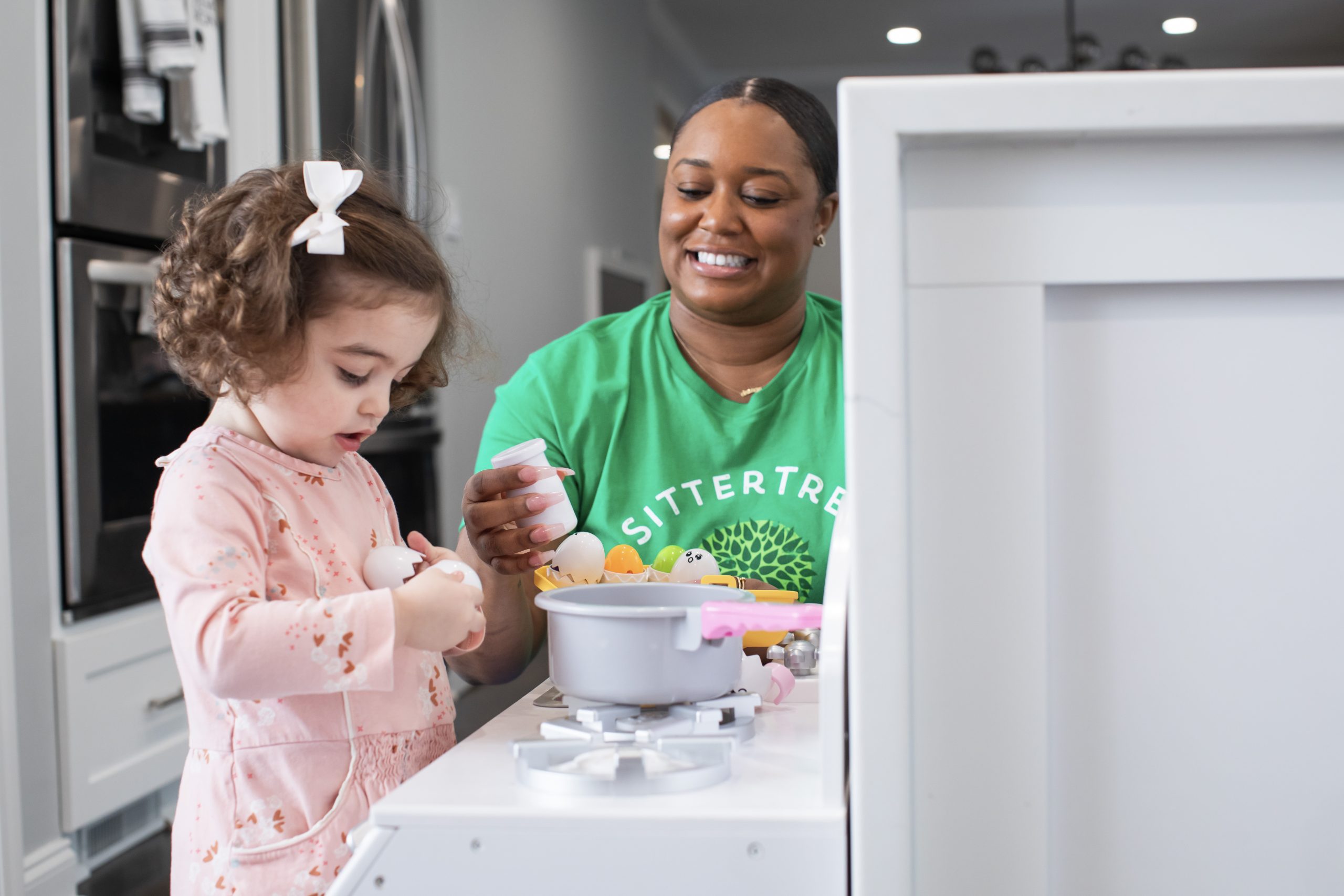
5. Active Games for Mixed Ages
When babysitting siblings or a group of kids, activities that appeal to multiple age groups are a lifesaver.
Activity Idea:
- Treasure Hunt: Create a simple map and hide clues around the house or yard.
- Obstacle Course: Set up a course with pillows, chairs, and blankets for them to crawl, jump, and climb through.
These activities keep everyone moving and engaged, promoting teamwork and fun.Creative babysitting activities don’t have to be complicated or expensive. By tailoring your ideas to the kids’ ages and interests, you can create an enjoyable and memorable experience for everyone. Try these activities during your next babysitting job, and watch how quickly they spark fun and connection with the kids!
Looking for your next sitter gig?
On SitterTree, you can easily find families in your community. You can get started today at the link below.
Sign Up Today! -

Tantrums and other challenging behaviors are a normal part of caring for kids, but they can be tough to navigate-especially when you’re babysitting. Knowing how to stay calm and address these moments with confidence is key to building trust with kids and their parents. In this guide, we’ll share practical tips on how to handle tantrums as a babysitter and tackle other difficult situations like a pro.
1. Stay Calm and Composed
Kids can sense when you’re stressed, which may escalate the situation.
How to Stay Calm:
- Take a deep breath before responding.
- Remind yourself that tantrums are a normal part of child development.
- Use a calm, steady voice to reassure the child.
Pro Tip: Staying composed helps you think more clearly and model good behavior for the child.
2. Understand the Cause of the Tantrum
Most tantrums happen for a reason, such as hunger, fatigue, or frustration.
How to Identify the Cause:
- Ask simple questions: “Are you hungry or tired?”
- Observe their behavior for clues, like rubbing their eyes or refusing food.
- Consider triggers like a toy being taken away or a change in routine.
3. Use Distraction and Redirection
One of the easiest ways to handle a tantrum is to shift the child’s focus to something else.
Examples of Distraction:
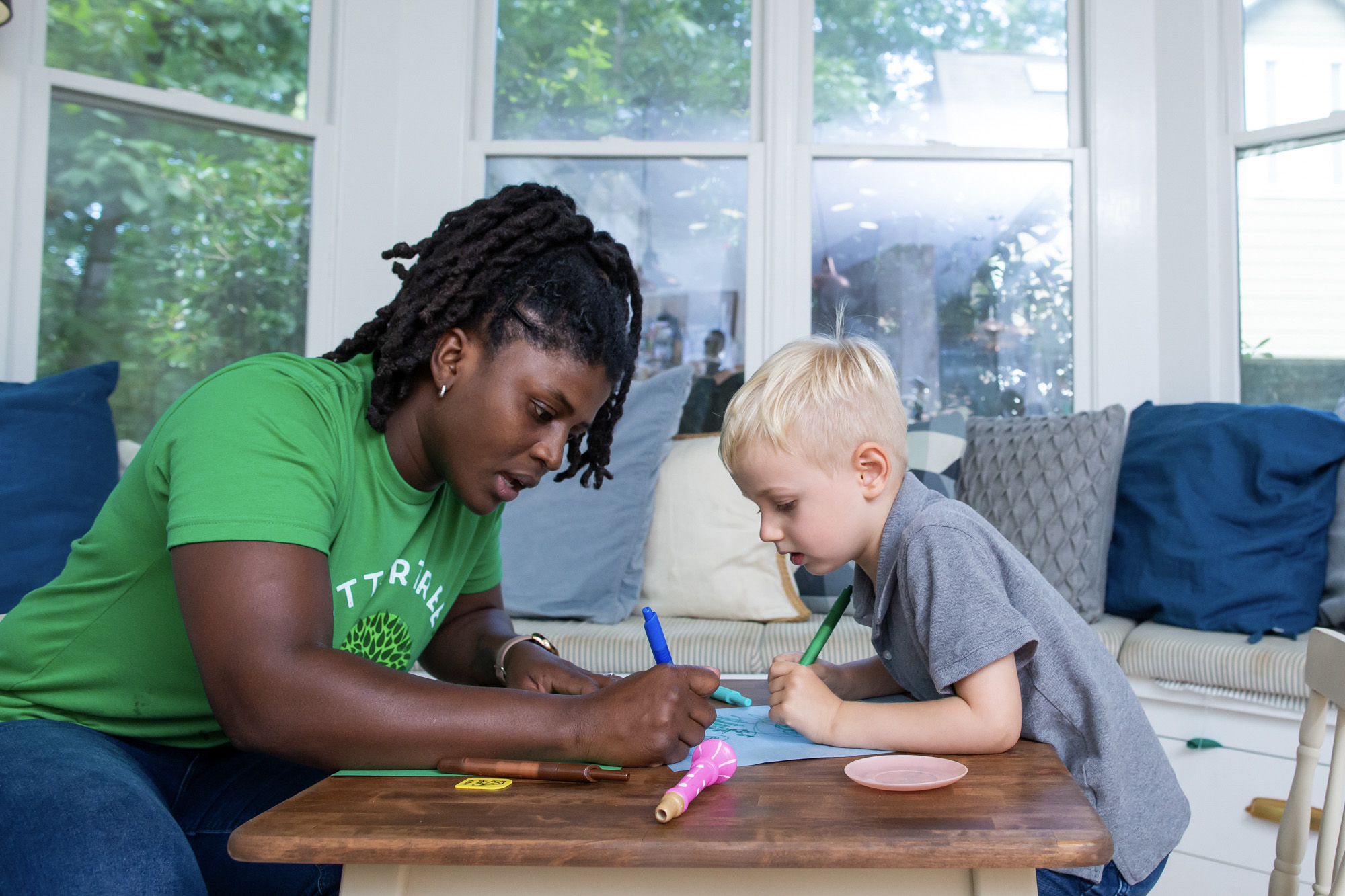
- Offer a different toy or activity.
- Change the environment by going outside or moving to another room.
- Start a game or sing a song to capture their attention.
Example Statement: “I know you’re upset, but let’s see if we can find your favorite puzzle to work on together!”
4. Acknowledge Their Feelings
Children need to feel heard and understood, even during a meltdown.
What to Say:
- “I understand you’re upset because we can’t go to the park right now.”
- “It’s okay to feel mad. Let’s take some deep breaths together.”
Validating their emotions helps calm them down and teaches them emotional intelligence.
5. Set Boundaries and Stay Consistent
While it’s important to be understanding, you also need to enforce boundaries.
How to Set Boundaries:
- Stay firm but kind: “I know you want more candy, but it’s not snack time right now.”
- Avoid giving in to the tantrum, as it may reinforce the behavior.
Pro Tip: Consistency helps kids learn what’s acceptable, making future situations easier to manage.
6. Handle Other Challenging Situations
Tantrums aren’t the only difficult scenarios you may face as a babysitter.
Other Common Challenges and How to Address Them:
- Sibling Arguments: Mediate fairly and encourage sharing.
- Refusing Bedtime: Stick to the routine and offer calm activities like reading.
- Separation Anxiety: Reassure the child and engage them in a favorite activity to ease the transition.
7. Communicate with Parents
After the tantrum or difficult situation is resolved, it’s important to update the parents.
What to Share:
- A brief summary of what happened.
- How you handled the situation.
- Any concerns or suggestions for preventing similar issues in the future.
“There was a small tantrum when it was time to clean up, but I redirected them with a fun game, and they calmed down quickly.”Knowing how to handle tantrums as a babysitter is an essential skill that shows families you’re prepared for anything. By staying calm, using redirection, and communicating effectively with parents, you’ll navigate tough situations with confidence and care. With these strategies in mind, you’ll be ready to tackle any babysitting challenge that comes your way.
Looking for your next sitter gig?
On SitterTree, you can easily find families in your community. You can get started today at the link below.
Sign Up Today! -

Deciding how much to charge for babysitting jobs can be challenging, especially with factors like experience, responsibilities, and location all influencing pay. Whether you’re just starting out or have years of experience, setting a fair and competitive rate is essential to attracting clients and ensuring your work feels valued. This guide will help you determine what to charge for babysitting, so you feel confident and prepared.
1. Key Factors to Consider When Setting Babysitting Rates
Experience Level:
- Sitters with years of experience or specialized skills, like CPR certification, can charge higher rates. Parents often pay more for sitters who bring extra skills or experience, especially for infants or young children.
Job Responsibilities:
- Extra duties, such as driving kids to activities, tutoring, or managing more than one child, often call for a higher rate. Be upfront about what’s expected of you, so you can set a rate that reflects the workload.
Time and Day of the Job:
- Weekend, evening, or holiday rates are often higher due to the increased demand during these times. Consider charging a premium if your availability aligns with high-demand periods.
Location:
- Babysitting rates vary significantly based on location. Sitters in high-cost-of-living cities often charge more, so knowing the going rate in your area is crucial.
Market Rates:
- It’s helpful to research average rates for babysitters in your area. Many sitters use sites like ZipRecruiter to gauge current rates.
2. Typical Babysitting Rates by Age and Experience Level
Junior Babysitters: $10-$15/hour
- New sitters with limited experience, often younger teens, typically charge a lower rate. This range is ideal for sitters just getting started with less complex babysitting tasks.
Experienced Babysitters: $15-$25/hour
- Sitters with several years of experience or specific certifications may charge in this range, especially if they are responsible for multiple children or additional tasks.
Professional Babysitters/Nannies: $25-$40/hour
- Highly experienced sitters with specialized skills or extensive childcare backgrounds may set higher rates. This range is typical for more professional or full-time sitters.
4. Tips for Setting and Negotiating Your Rate
Know Your Worth
- Consider your experience, any special training, and how comfortable you feel with different responsibilities. Set a rate that reflects these factors, and be prepared to communicate your value.
Offer a Range for Flexibility
- Offering a range (e.g., $15-$20/hour) can allow parents some flexibility while giving you room to adjust based on the specific needs of each job.
Be Clear and Professional
- Discuss rates openly before starting a job to avoid any surprises. Being transparent and professional can build trust and respect with parents.
Highlight Certifications and Skills
- If you have certifications in CPR, First Aid, or specific child care skills, make sure to mention these to justify a higher rate.
Set a Policy for Additional Costs
- If parents ask for additional tasks outside of typical babysitting duties, it’s fair to adjust your rate. Be clear upfront if additional work is needed.

5. How SitterTree Can Help You Set Competitive Rates
SitterTree makes it easy to set a rate based on your skills and experience. Through your SitterTree profile, parents can see your background, certifications, and sitter badges that give them a sense of your capabilities and reliability. Remember, badges and ratings can also support a higher rate as you build your reputation on the platform.
Setting Your Babysitting Rate with Confidence
Setting a babysitting rate involves balancing your experience, responsibilities, and market rates. By taking the time to determine a fair and competitive rate, you’ll be able to attract clients who value your skills and feel confident that your work is well-compensated.
Ready to book sitter gigs?
On SitterTree, you can connect with local families looking for sitters in your community. Start today and discover flexible babysitting opportunities!
Sign Up Today! -

Understanding how much a babysitter costs per month is essential for families planning their childcare budget, especially when rates vary widely by location, sitter qualifications, and the number of hours required. Whether you need occasional babysitting or regular care, this guide will help you estimate monthly babysitting expenses based on different factors.
1. How Much Does a Babysitter Cost Per Month? Here’s What You Need to Know:
- Hourly Rate: Babysitters’ hourly rates are influenced by experience, location, and any additional certifications or skills they bring.
- Frequency of Babysitting: Whether you need a sitter just for the weekends, a few nights a week, or as a full-time caregiver, the frequency will have a significant impact on monthly costs.
- Number of Children: Babysitters may charge more for caring for multiple children, which increases the overall monthly expense.
- Additional Responsibilities: Duties like tutoring, driving, or specific age-group expertise may also affect rates.
- Location: Families in urban or high-cost-of-living areas generally pay more for babysitting than families in rural areas.
2. Estimating Monthly Babysitting Costs
For an accurate estimate, here’s a simple formula you can use:
Hourly Rate x Average Number of Hours per Week x 4 Weeks = Estimated Monthly Cost
Example Calculation:
- Hourly Rate: $15/hour
- Weekly Hours: 10 hours
- Monthly Cost: $15 x 10 x 4 = $600/month
You can adjust this formula based on your specific needs or if you have seasonal changes in your schedule.
4. Determining a Monthly Budget for Babysitting
Setting a budget for babysitting costs can help parents manage their child care expenses effectively. Here are a few considerations:
- Compare with Daycare Costs: For families considering daycare, babysitting may provide a more flexible, comparable option, especially if a part-time sitter meets your needs.
- Consider Extra Expenses: If your sitter provides additional services, be prepared to factor in these extra costs.
- Adjust for Seasonal Needs: Babysitting costs may fluctuate based on holiday schedules or summer vacations.
5. SitterTree: Connecting You with Babysitters Within Your Budget
SitterTree makes it easy for parents to connect with trusted babysitters who fit their budget. With sitter profiles, parents can view sitters’ hourly rates and experience levels, helping you find the right fit based on your family’s needs.
Planning for Babysitting Costs
By understanding how much babysitting can cost each month, parents can better plan and budget for their child care needs. Whether it’s for date nights or a regular weekly schedule, estimating your monthly costs upfront helps avoid surprises and ensures you find quality care within your budget.
Looking for the perfect sitter?
On SitterTree, you can easily find trusted babysitters in your community. You can get $20 off your first sitter at the link below.
Sign Up Today & Save! -

When it comes to finding quality child care, one of the most common questions for parents and babysitters alike is: What’s a fair rate per hour? Understanding how much to pay a babysitter per hour is crucial for setting clear expectations and ensuring both parties feel confident in the arrangement. Babysitting rates can vary greatly, depending on where you live, a sitter’s experience, and specific job responsibilities. This guide is here to help both parents and sitters understand how to set fair and competitive hourly rates for babysitting services.
Factors That Affect Babysitting Rates
- Location: Babysitting rates can be significantly higher in larger cities and urban areas compared to rural towns. Generally, living costs in a region will influence how much to pay a babysitter per hour, so sitters in cities like New York or San Francisco will typically earn more than sitters in smaller towns.
- Experience and Certifications: A sitter with years of experience or special certifications-like CPR, First Aid, or child development training-may charge higher rates. Parents are often willing to pay extra for sitters who bring specific skills to the table, particularly if they’re watching young children who require extra care.
- Job Responsibilities: Basic babysitting duties typically involve watching children, preparing simple snacks, and engaging in playtime activities. However, if the job requires additional duties-such as driving children to and from activities, tutoring, or caring for multiple kids at once-it’s fair to increase the rate to reflect the added workload.
- Time of Day and Day of the Week: Babysitting during weekends, evenings, or holidays often comes with an added premium, as sitters may need to adjust their schedules for these times. Parents can expect to pay a bit more for these time slots to account for the sitter’s availability.
Setting a Rate That Works for Both Parents and Sitters
For Parents: When determining how much to pay a babysitter per hour, consider not only your budget but also the sitter’s experience and the specific requirements of the job. If the sitter’s rate feels higher than expected, think about whether they bring unique qualifications, certifications, or an impressive track record. Balancing budget with quality of care can help parents find reliable sitters without compromising quality.
For Sitters: When setting your rate, it’s essential to be competitive yet reflective of your experience. Consider factors like your years of experience, any specialized training, and extra responsibilities the family might need. Make sure to discuss the rate upfront to avoid surprises and to establish a transparent, professional relationship with parents. Adjust your rates as you gain more experience or acquire additional certifications.

How SitterTree Supports Fair Rates and Transparency
At SitterTree, we make it easier for parents and sitters to find a match with clear expectations on rates and job requirements. Through the app, parents can view sitters’ profiles, including sitter badges for added credibility and qualifications, helping both sides feel confident in the rate chosen.
Important Note: While SitterTree offers sitter badges to highlight specific skills, these badges are self-reported by sitters and are not verified by SitterTree. Sitters can add these details to help parents make informed choices, but it’s up to the sitter to represent their qualifications honestly.
Setting the Right Rate for Babysitting Services
Determining how much to pay a babysitter per hour can feel overwhelming, but by considering factors like location, experience, and job requirements, both parents and sitters can find a fair middle ground. It’s all about balance-ensuring the sitter feels fairly compensated while the parent’s budget aligns with the rate.
Looking for the perfect sitter?
On SitterTree, you can easily find trusted babysitters in your community. You can get $20 off your first sitter at the link below.
Sign Up Today & Save!